
Why a Wheel Alignment Check Matters After a Pothole Hit around Yardley, PA
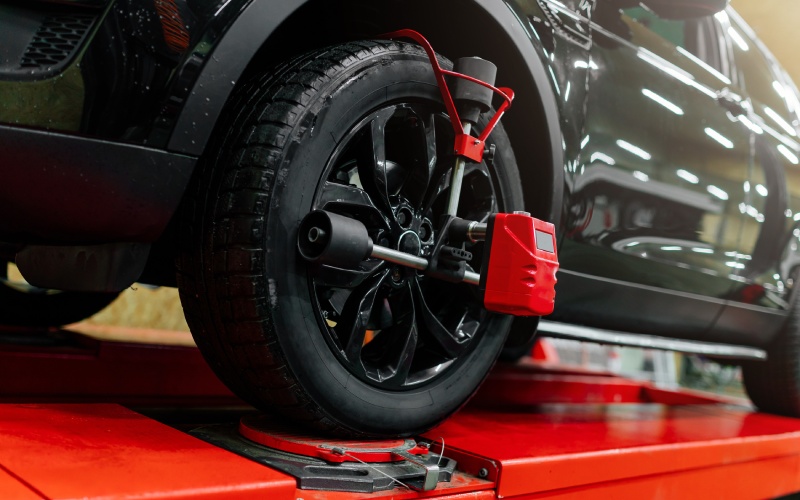
Peruzzi Collision Center - Why a Wheel Alignment Check Matters After a Pothole Hit around Yardley, PA
Drivers around Yardley, PA know that a pothole hit can happen quickly. One moment the vehicle feels smooth, and the next moment there is a sharp jolt through the steering wheel, a loud thump from the front corner, or a vibration that was not present before. It is tempting to keep driving if the tire still holds air and the wheel looks acceptable. However, a hard impact can move alignment angles out of specification even when the rim has only light cosmetic damage. Alignment is not just about keeping the steering wheel straight; it affects tire contact with the road, braking stability, lane tracking, steering response, and long-term tire wear. A small change in toe or camber can create a noticeable pull or gradually wear the inner edge of a tire. That is why an alignment check is one of the most important follow-up steps after a curb strike or pothole impact.
At our collision center, we look at wheel impact damage as part of the full vehicle system. The wheel, tire, suspension, steering, brake components, lower body panels, and driver assistance systems can all be affected by a single impact. Many modern vehicles use sensitive steering angle information for stability control, lane assistance, forward collision warning, and other safety functions. If the vehicle is no longer tracking as designed, those systems may not perform as intended. For commuters traveling between Yardley, Morrisville, Fairless Hills, and Lincoln Highway, a vehicle that pulls slightly on a local road may feel much more unstable at highway speed. A timely inspection helps separate simple wheel cosmetic damage from hidden mechanical concerns that need professional attention.
What Alignment Actually Means
Wheel alignment refers to the angle and position of the wheels compared with manufacturer specifications. The three common measurements are toe, camber, and caster. Toe describes whether the wheels point slightly inward or outward. Camber describes the inward or outward tilt of the wheel when viewed from the front of the vehicle. Caster relates to the steering axis angle and affects straight-line stability and steering return. A pothole or curb impact can disrupt one or more of these settings, especially if the force hits the wheel from the side or at an angle.
An alignment check does not automatically mean major repairs are required. Sometimes the vehicle only needs adjustment. In other cases, an alignment machine may reveal that a component is bent and cannot be corrected through adjustment alone. That is useful information because forcing an alignment on a vehicle with a bent tie rod, control arm, strut, or subframe concern will not solve the underlying problem. The goal is to restore the vehicle’s geometry so the tires meet the road evenly and the vehicle responds predictably.
Signs Your Vehicle Needs an Alignment Check
- Off-center steering wheel: The steering wheel sits crooked while the vehicle travels straight, often indicating a toe change after impact.
- Vehicle pull: The vehicle drifts left or right on a level road without steering input, which can signal alignment or tire damage.
- New vibration: A shake through the steering wheel, floor, or seat may involve a bent rim, tire damage, balance issue, or suspension concern.
- Uneven tire wear: Feathering, inner-edge wear, or outer-edge wear can develop when alignment angles are outside specification.
- Unusual noise: Clicking, rubbing, clunking, or humming after impact may point to a wheel bearing, brake shield, suspension part, or tire issue.
These symptoms can appear immediately or gradually. A vehicle may feel acceptable at low speed but shake at highway speed. A tire may look normal from the outer sidewall while inner sidewall damage remains hidden. A rim may also bend on the inner barrel, which is harder to see during a quick parking lot inspection. If the impact was strong enough to make you pull over, it was strong enough to justify a professional evaluation.
Why Wheel Impact Damage Can Spread Beyond the Rim
A tire and wheel assembly is designed to absorb normal road forces, but a pothole impact can concentrate energy into one corner of the vehicle. That energy can travel into the hub, wheel bearing, brake components, steering linkage, strut, control arm, ball joint, or subframe mounting points. If body damage is involved, the lower bumper, splash shield, wheel liner, rocker panel, or fender edge may also need inspection. This is where a collision repair perspective becomes valuable. Our team does not treat the wheel as an isolated part when the impact suggests a broader repair concern.
For vehicles with advanced driver assistance systems, alignment and calibration concerns may overlap. Steering angle sensors and camera or radar-based systems can rely on correct vehicle geometry. If repairs change the steering position, suspension parts, ride height, or wheel alignment, additional checks may be needed. Not every pothole hit requires calibration, but a proper repair plan should consider the vehicle’s technology rather than focusing only on visible wheel scratches.
What Happens During a Professional Inspection
- Visual damage review: The wheel face, rim lip, tire tread, sidewalls, valve stem, and nearby body panels are inspected for visible impact damage.
- Air retention check: The tire and wheel assembly may be evaluated for slow leaks around the bead, valve, or damaged rim area.
- Wheel balance assessment: Vibration concerns can be checked through balance testing and inspection for bent wheel sections.
- Suspension and steering review: Key components are inspected for bends, looseness, cracked bushings, or shifted mounting points.
- Alignment measurement: Toe, camber, and caster readings are compared with factory specifications to guide adjustment or repair decisions.
This process helps build a repair plan based on evidence instead of guesswork. If a rim can be repaired safely, refinishing or straightening may be appropriate. If the wheel is cracked, severely distorted, or unable to seal properly, replacement may be the safer choice. If alignment readings remain out of range after adjustment, additional suspension diagnosis is usually required.
How Prompt Alignment Service Helps Protect Tires
Tires are a major part of vehicle safety, and improper alignment can shorten tire life quickly. A toe problem can scrub tread as the tire rolls, creating feathered edges. A camber problem can overload the inner or outer shoulder. Over time, this can reduce wet-road grip, increase road noise, and make braking less consistent. When a pothole hit causes a pull, many drivers unconsciously hold the steering wheel against the drift, which can add fatigue on longer drives and make emergency maneuvers less predictable.
Prompt service can also help prevent a chain reaction of wear. A bent wheel can cause vibration. Vibration can stress suspension and steering parts. Poor alignment can wear tires unevenly. Once tires wear into an irregular pattern, correcting alignment may not fully remove noise or vibration. Checking the vehicle early is often the simplest way to preserve ride quality and avoid replacing parts that may have remained usable with quicker attention.
When Insurance May Be Involved
If the pothole or curb impact happened during a broader collision event, or if the damage is significant, insurance may become part of the process. Documentation matters. Photos, a clear description of what happened, inspection notes, and a professional estimate can help clarify the scope of damage. As a direct repair facility, our team can assist with damage documentation and communication with major insurance providers when the situation applies. This can reduce confusion for customers already dealing with vehicle downtime and repair decisions.
Even if insurance is not involved, a professional estimate still helps you make an informed choice. You should know whether the concern is cosmetic, mechanical, structural, or safety-related. A clear explanation of repair versus replacement options can also help prevent unnecessary work while making sure essential repairs are not overlooked.
Frequently Asked Questions:
Can an alignment be damaged without visible wheel damage?
Yes. A pothole or curb impact can shift alignment settings or bend a suspension component without leaving obvious marks on the outer wheel face. Inner rim bends and hidden suspension movement are common reasons to schedule an inspection after a hard hit.
Should I replace the tire after a pothole impact?
Replacement depends on the condition of the tire. Sidewall bulges, cuts, exposed cords, severe impact marks, or air loss are serious concerns. A technician can inspect the tire inside and outside to determine whether continued use is safe.
Is wheel balancing the same as wheel alignment?
No. Balancing addresses weight distribution in the tire and wheel assembly to reduce vibration. Alignment adjusts wheel angles relative to the vehicle. After a pothole hit, both may need evaluation because impact damage can cause vibration and change vehicle geometry.
How soon should I have the vehicle checked?
Schedule service as soon as possible if you notice pulling, vibration, air loss, noise, warning lights, or visible rim or tire damage. If the vehicle feels unstable, avoid driving and arrange safe transport for inspection.
A pothole impact around Yardley, PA should not be dismissed just because the vehicle still moves. Alignment, wheel condition, tire safety, and suspension integrity all work together to keep your vehicle predictable and secure. Our team can inspect the damage, explain repair options, and help restore confidence in your daily drive without unnecessary guesswork.