
Curb Impact and Wheel Damage Repair After a Low-Speed Hit in Fairless Hills, PA
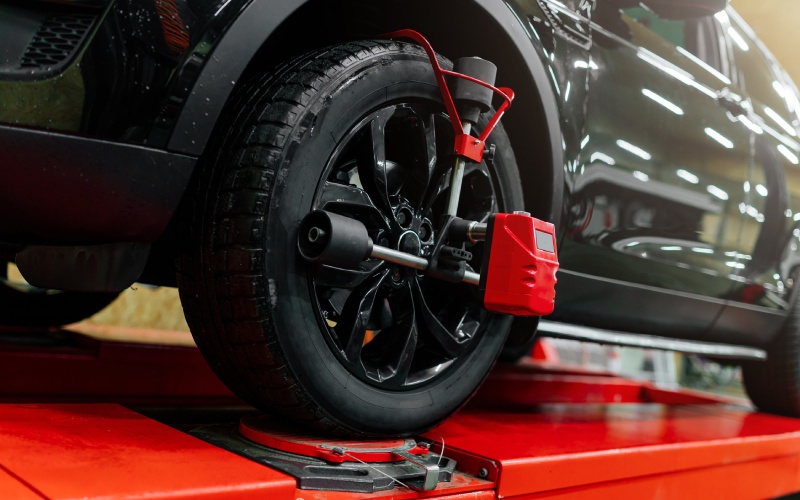
Peruzzi Collision Center - Curb Impact and Wheel Damage Repair After a Low-Speed Hit in Fairless Hills, PA
A curb strike can feel like a small mistake in the moment. Maybe the turn into a shopping center was tighter than expected, a wheel clipped a concrete island, or the front bumper scraped while pulling into a space near Lincoln Highway. If the vehicle still drives, many people assume the damage is only cosmetic. The problem is that curb impacts can affect more than the visible scuff on the wheel or bumper cover. Depending on the angle and force of the hit, damage may involve the wheel, tire, suspension, steering components, bumper mounts, underbody panels, and even safety sensors.
For drivers in Fairless Hills, this kind of damage is common because daily driving often involves busy retail lots, tight entrances, traffic on Lincoln Highway, and quick turns through local roads that connect neighborhoods, schools, and workplaces. A low-speed impact may not look dramatic, but modern vehicles are built with precise alignment, electronic driver-assistance systems, and lightweight components that need to fit and function correctly. If something feels different after hitting a curb, it is worth having the vehicle inspected before a small issue becomes a larger repair.
At Peruzzi Collision Center, our Fairless Hills collision repair team helps drivers identify visible and hidden damage after curb strikes, parking lot impacts, and other low-speed incidents. Our I-CAR-certified technicians use modern repair methods, computerized measuring tools when needed, and high-quality refinishing processes to restore both appearance and safety. We also work with insurance providers when a claim is involved and back our repair work with a lifetime warranty, helping drivers feel more confident after the repair is complete.
Why a Curb Hit Can Cause More Than Wheel Scuffs
A curb impact usually concentrates force on one corner of the vehicle. That means a single hit can travel through several connected parts. The wheel may take the first impact, but the shock can move into the tire, control arm, strut, steering linkage, fender liner, rocker panel, bumper cover, or lower body structure. Even if the car looks acceptable from a few feet away, the geometry underneath may no longer be exactly where it should be.
This matters because many systems depend on accurate positioning. If the wheel is slightly bent, the tire can wear unevenly. If a suspension component is shifted, the vehicle may pull to one side. If a bumper bracket or sensor mount is disturbed, parking alerts or advanced safety features may not work as intended. A professional inspection helps separate surface-level scuffs from damage that can affect drivability, safety, and long-term vehicle value.
Signs You Should Schedule an Inspection After Hitting a Curb
Not every curb strike requires major repair, but certain symptoms should not be ignored. If you notice any of the following after the impact, it is smart to have the vehicle checked by a qualified collision repair facility.
- Steering wheel vibration: Shaking at certain speeds may indicate wheel, tire, alignment, or suspension damage.
- Vehicle pulling left or right: A pull can point to alignment changes or bent steering and suspension components.
- New tire sidewall bulge: A bubble or raised area in the tire sidewall can be a serious safety concern.
- Scraped or cracked wheel: Cosmetic wheel damage may also hide bends, cracks, or air-loss issues.
- Uneven bumper fit: Gaps near the bumper, fender, or headlamp can mean mounting points shifted during impact.
- Grinding or rubbing noises: A liner, shield, wheel, or suspension part may be contacting something while driving.
- Warning lights on the dash: Stability control, tire pressure, or driver-assistance alerts may appear after impact.
- Parking sensor problems: A scraped bumper can disturb sensors or sensor brackets even when the cover looks mostly intact.
If the vehicle feels normal but the wheel or lower bumper is visibly damaged, an inspection is still useful. Many local drivers use their vehicles for commuting between Fairless Hills, Bristol, Morrisville, Langhorne, and surrounding Bucks County communities, so small drivability issues can quickly become frustrating or unsafe during daily travel.
What a Collision Repair Inspection Looks For
A proper curb-impact inspection should look beyond the obvious mark on the wheel. Our team checks the damaged area as a system, not just as a single part. That means looking at how the wheel, tire, body panels, bumper components, and nearby structures relate to one another. On modern vehicles, the process may also include reviewing sensor locations and checking whether additional diagnostic steps are needed.
- Exterior damage review: We inspect the wheel, bumper cover, rocker panel, fender, underbody trim, and nearby painted surfaces.
- Wheel and tire condition check: We look for cracks, bends, sidewall damage, air leaks, and uneven contact points.
- Panel fit inspection: We review gaps around bumpers, fenders, doors, lamps, and trim to identify shifted components.
- Structural and mounting point review: When needed, computerized measuring and structural repair equipment help evaluate deeper damage.
- Safety system considerations: If sensors, cameras, or radar-related parts may be affected, we identify whether calibration or additional testing may be required.
- Repair plan development: We outline what needs repair, replacement, refinishing, or further inspection before work begins.
This process is especially important when the curb hit occurs near the front corner of the vehicle. Many vehicles place fog lamps, parking sensors, adaptive cruise components, wheel-speed wiring, and lower bumper supports in areas that can be affected by low-speed impacts. A fast visual glance may miss these details.
Wheel Repair, Bumper Repair, and Refinishing Considerations
Wheel damage can range from light cosmetic scraping to bends or cracks that affect performance. Some wheels may be repairable, while others require replacement for safe operation. The right answer depends on the material, damage location, severity, and manufacturer repair guidelines. Cosmetic wheel repair should never come at the expense of safety, especially if the tire is losing pressure or the vehicle vibrates at road speed.
Bumper damage also varies. A small scrape may need refinishing and paint matching, while a deeper hit may involve cracked tabs, distorted brackets, broken retainers, or damaged reinforcement components behind the bumper cover. If the bumper does not sit flush or a corner keeps popping out, the repair may require more than sanding and paint. Our high-quality refinishing process focuses on color match, surface preparation, and a clean finish so repaired panels blend properly with the rest of the vehicle.
Dent repair may also be part of the repair plan. If the curb impact caused a crease in a lower door, fender, quarter panel, or rocker area, our technicians evaluate whether paintless dent repair is an option. PDR can preserve the factory finish when the paint remains intact and the dent location qualifies. If the paint is cracked, scraped, or stretched, conventional repair and refinishing may be the better long-term solution.
Insurance Questions After a Curb Strike
Many drivers are unsure whether a curb impact should go through insurance. The answer depends on the situation, the extent of damage, and the driver’s policy. A simple cosmetic scuff may be handled without a claim, while damage involving wheels, suspension, body panels, or safety systems may justify insurance involvement. Our role is to document the visible damage, identify related concerns, and help explain the repair process clearly.
As a direct repair facility, we can help streamline communication with insurance carriers when a claim is part of the repair. That can reduce back-and-forth for the customer, especially when additional damage is discovered after disassembly. For drivers serving Falls Township, Levittown, and Yardley, our Fairless Hills location on Lincoln Highway is convenient for estimates, drop-offs, and repair updates throughout the process.
Why Certified Repairs Matter After a Low-Speed Impact
Low-speed damage can still involve advanced materials and precise repair requirements. Assured Performance Certification reflects standards for equipment, training, and repair quality, while I-CAR Gold Class training supports correct repair procedures for today’s vehicles. Those credentials matter because modern cars, trucks, SUVs, and hybrids are built with safety systems that depend on accurate repair methods.
Choosing a certified collision repair facility helps protect more than appearance. It supports proper fit, structural integrity, safety system performance, and long-term confidence. Whether the vehicle needs wheel repair, auto glass attention, dent repair, bumper repair, or a larger collision repair plan, having trained technicians inspect the full impact area is the best way to understand what truly needs attention.
Frequently Asked Questions:
Can I keep driving after hitting a curb if the car feels fine?
You may be able to drive, but it is still wise to inspect the tire, wheel, and lower body area first. If you notice vibration, pulling, warning lights, tire sidewall damage, fluid leaks, or rubbing noises, avoid unnecessary driving and schedule an inspection.
Does a scraped wheel always need to be replaced?
No. Some scraped wheels can be repaired cosmetically, but wheels with cracks, bends, air leaks, or structural damage may need replacement. A professional inspection determines whether repair is safe and appropriate.
Can a curb impact affect ADAS or parking sensors?
Yes. If the impact involved the front or rear bumper area, sensors and brackets may shift or become damaged. Even a small change in sensor position can affect how parking alerts or driver-assistance systems perform.
What should I photograph after a curb strike?
Take photos of the wheel, tire, bumper, fender, rocker panel, road location if safe, and any dashboard warning lights. Clear photos can help with documentation if insurance becomes involved.
How do I schedule curb-impact repair in Fairless Hills?
You can contact our Fairless Hills collision repair team by phone or use online scheduling to request an appointment. After inspection, we can explain the damage, discuss repair options, and help you understand the next steps.
A curb strike may look minor, but the safest approach is to treat it as a possible wheel, alignment, body, and sensor issue until proven otherwise. If your vehicle has new vibrations, visible scuffs, bumper misalignment, tire damage, or warning lights after a low-speed hit, our certified repair team in Fairless Hills can help restore the vehicle properly and get you back on the road with confidence.